
No more shiny spots and marks!
Master delicate textiles like a pro. Discover the techniques and tools that will make heat marks a thing of the past.

What are heat marks and why do they occur?
Heat marks when transferring textiles - also known in the industry as pressure marks, gloss marks or heat embossing - are one of the biggest challenges in textile finishing. They are usually caused by the combination of high temperature and mechanical pressure directly on the edges of the heating plate or the transfer.
Particularly with sensitive materials such as polyester, softshell or blended fabrics, the fibres are deformed, flattened or even begin to melt slightly under the effect of the heat. The result is a permanently visible, shiny edge that massively impairs the appearance and value of the finished product. To avoid these unsightly effects, precise control of the pressing parameters and the use of specialised tools are crucial.
Gentle pressure instead of hard edges - the membrane technology
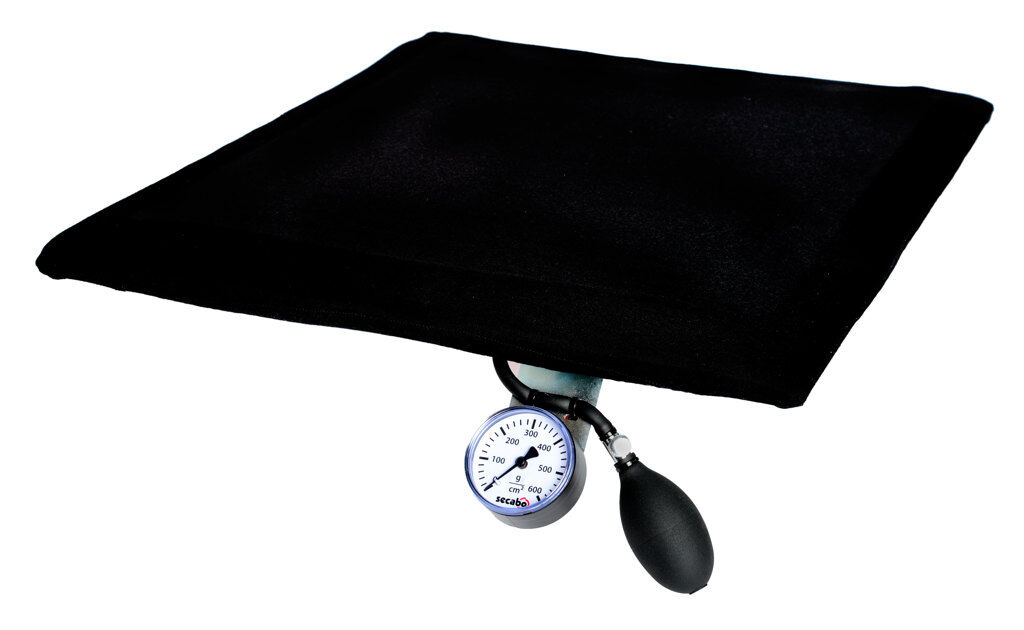
The Secabo membrane plate is the game changer when it comes to preventing heat marks. Thanks to its flexible, air-filled surface, it adapts perfectly to the textile and distributes the contact pressure absolutely evenly instead of pressing it selectively on sensitive fibres.
-
Your advantage: protrusions such as seams, buttons or zips simply sink into the membrane. This not only prevents unsightly shiny spots, but often makes additional pressing aids superfluous.
Heat from below, protection from above - the thermal duo
The TB7 heated base plate is the professional solution for temperature-sensitive fabrics. By preheating the fabric from below, you can significantly reduce the temperature of the upper heating plate. Less heat from above automatically means less risk of surface changes and marks.
-
Your advantage: The separate control of both plates allows perfect adjustment to difficult materials. Preheating also shortens the pressing time and noticeably increases your productivity.

Only press what needs to be pressed - reduce surface area
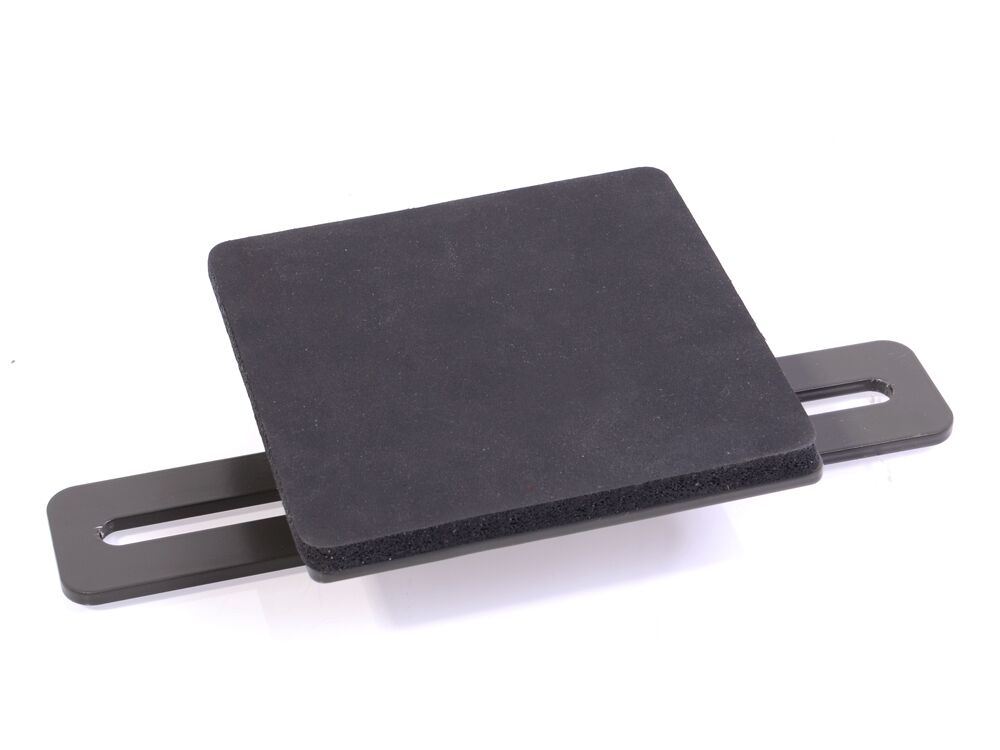
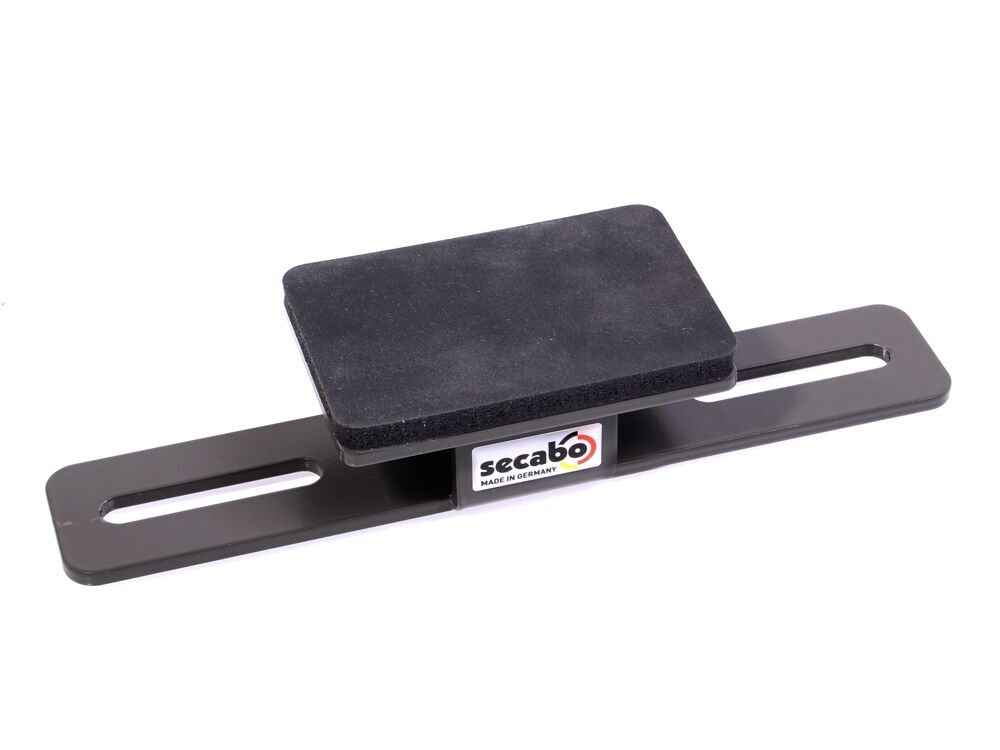
Why heat the whole shirt when the logo is only 10 cm in size? With the Secabo exchangeable plate system, you reduce the contact surface of the heating plate to the absolute minimum. By choosing a base plate that is barely larger than your transfer, you protect the rest of the textile from unnecessary heat.
-
Your advantage: you limit the pressure and temperature to the transfer area. This protects sensitive areas outside the focus and simultaneously optimises your workflow with different textile sizes.
The buffer zone for your textiles - cushioning at the touch of a button
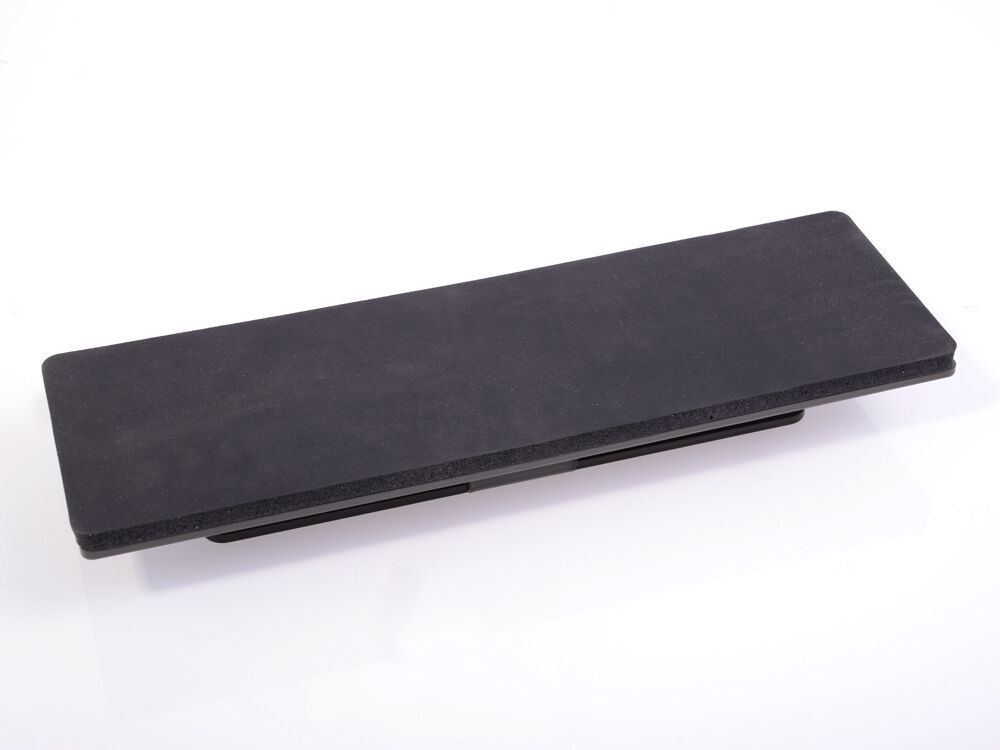
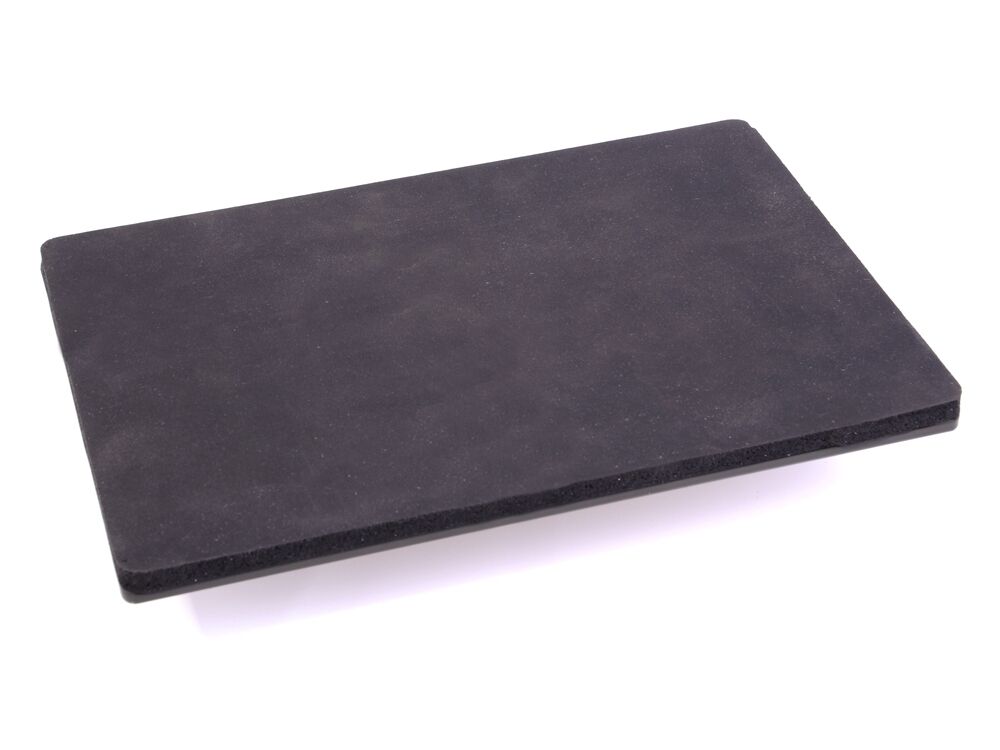
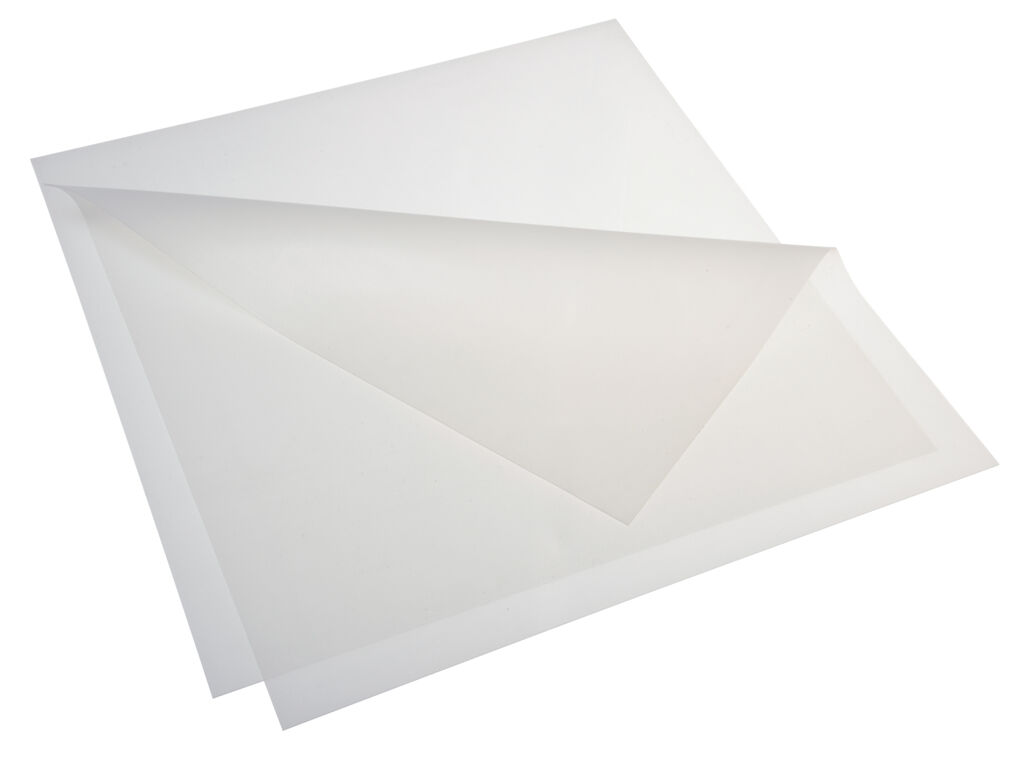
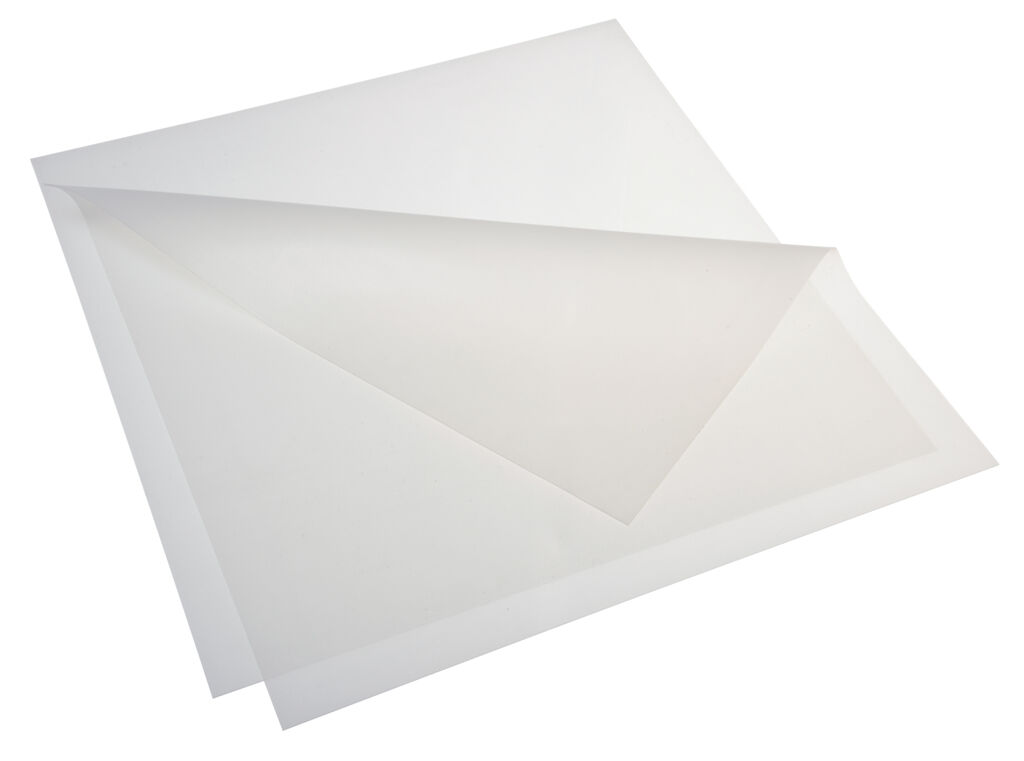
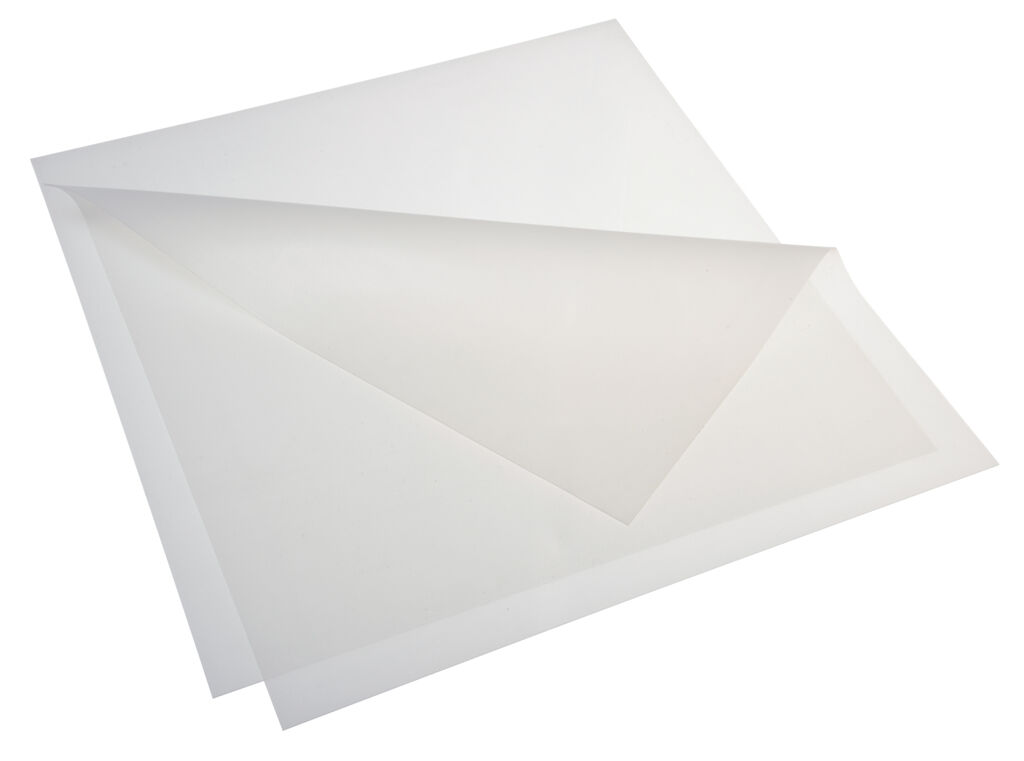
Secabo silicone mats act like a protective shield between heat and fibre. They act as a cushioning cover that absorbs the direct, hard impact of the heating plate. This protects the structure of the fabric and effectively prevents the edges of the plate from digging into the material.
-
Your advantage: The mats perfectly level out unevenness in textured surfaces and protect sensitive transfers from direct heat. Thanks to their robust quality, they are a long-lasting investment in your print quality.


FAQ: Expert knowledge on avoiding heat marks
Why do heat marks or shiny spots occur at all during textile finishing?
The formation of heat marks usually has two main causes, which often go hand in hand: Thermal and physical stress.
-
Thermal stress: In the case of synthetic fibres (especially polyester), too high a temperature causes the surface of the fibres to melt slightly (the fibre is thermally altered). This changes the light reflection, which we perceive as a shiny spot.
-
Physical stress: The high contact pressure of the Heat Press is often not evenly distributed. The fibre is "flattened" on the hard outer edges of the heating plate or on uneven areas (such as seams) and retains this shape after cooling. The result is a visible edge impression.
Our tip: Secabo membrane technology and the TB7 base plate specialise in minimising precisely these two factors.
Does pre-pressing textiles help to prevent heat marks later on?
No, classic pre-pressing does not primarily help against heat marks, but is crucial for the perfect durability of the transfer. It removes residual moisture from the fabric and smoothes the fibres so that the hot melt adhesive can penetrate optimally.
To avoid heat marks, however, it is much more important to lower the temperature of the upper heating plate as much as possible. This is where the Secabo TB7 base plate comes into play: the additional heat from below gently preheats the fabric, allowing you to significantly reduce the dreaded heat from above.
Why are dark-coloured polyester fabrics particularly susceptible to shiny spots?
On dark textiles, especially in black or dark blue, the contrast between the matt original fibre and a flattened, shiny fibre is visually the strongest. The thermally modified polyester fibre reflects the light differently than the unprinted fabric, which is perceived as a conspicuous, usually rectangular glossy spot (the imprint of the heating plate). It is often not the colour that changes, but the fibre structure.
Can I avoid heat marks by using cover sheets (PTFE)?
PTFE sheets (Teflon foils) are an important aid, but not a panacea against heat marks. They do protect the fabric from direct contact with the metal heating plate, which prevents burns, and distribute the heat more gently. However, they are only of limited help against the physical pressure on the outer edges of the plate.
Here, the combination of a Secabo membrane base plate (for pressure distribution) and a PTFE sheet (for surface protection) is the most professional solution for achieving flawless results.
What should I look out for when finishing over seams, buttons or zips?
Finishing over uneven areas is a "classic" for heat imprints. As the heating plate cannot lie flat in these areas, the entire contact pressure is concentrated on the bumps. This leads to extremely strong impressions at the edges of the bumps and often to irregular transfer results.
The ultimate solution to this problem is the Secabo membrane heating plate. As its air-filled surface yields flexibly, seams, buttons or zips simply sink into the plate. The pressure is distributed evenly over the entire transfer surface without creating hard edges.

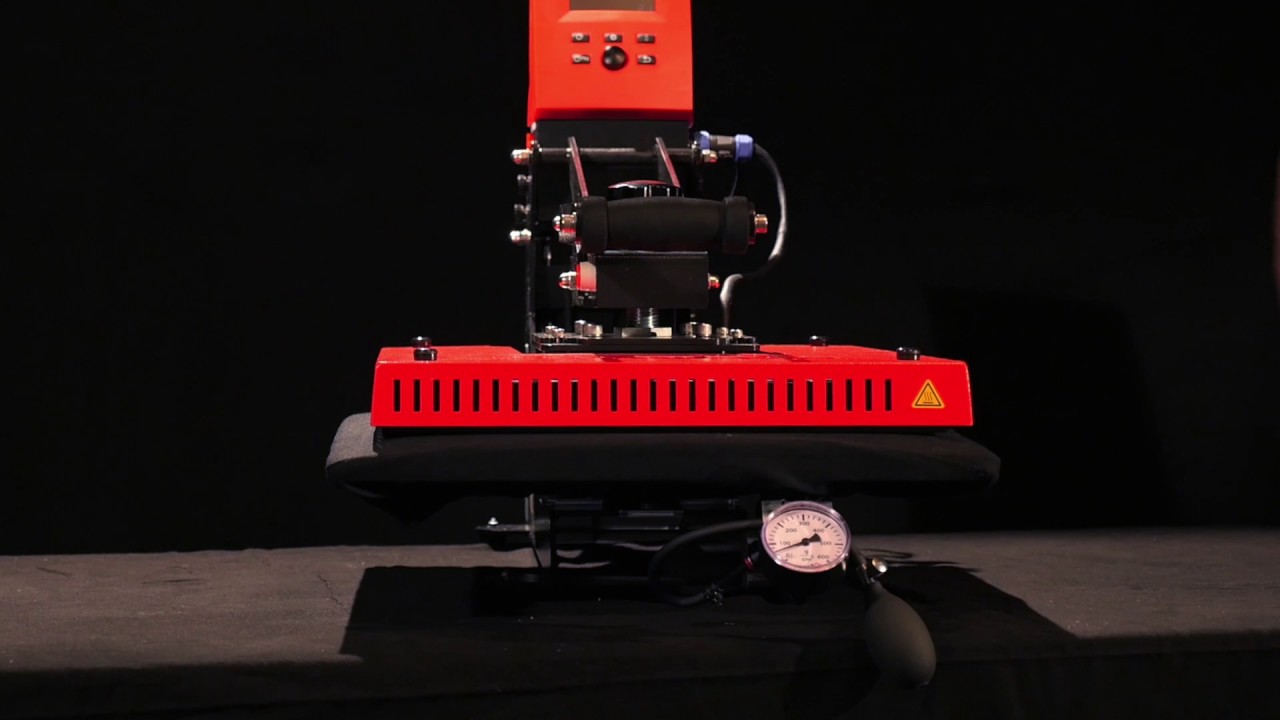
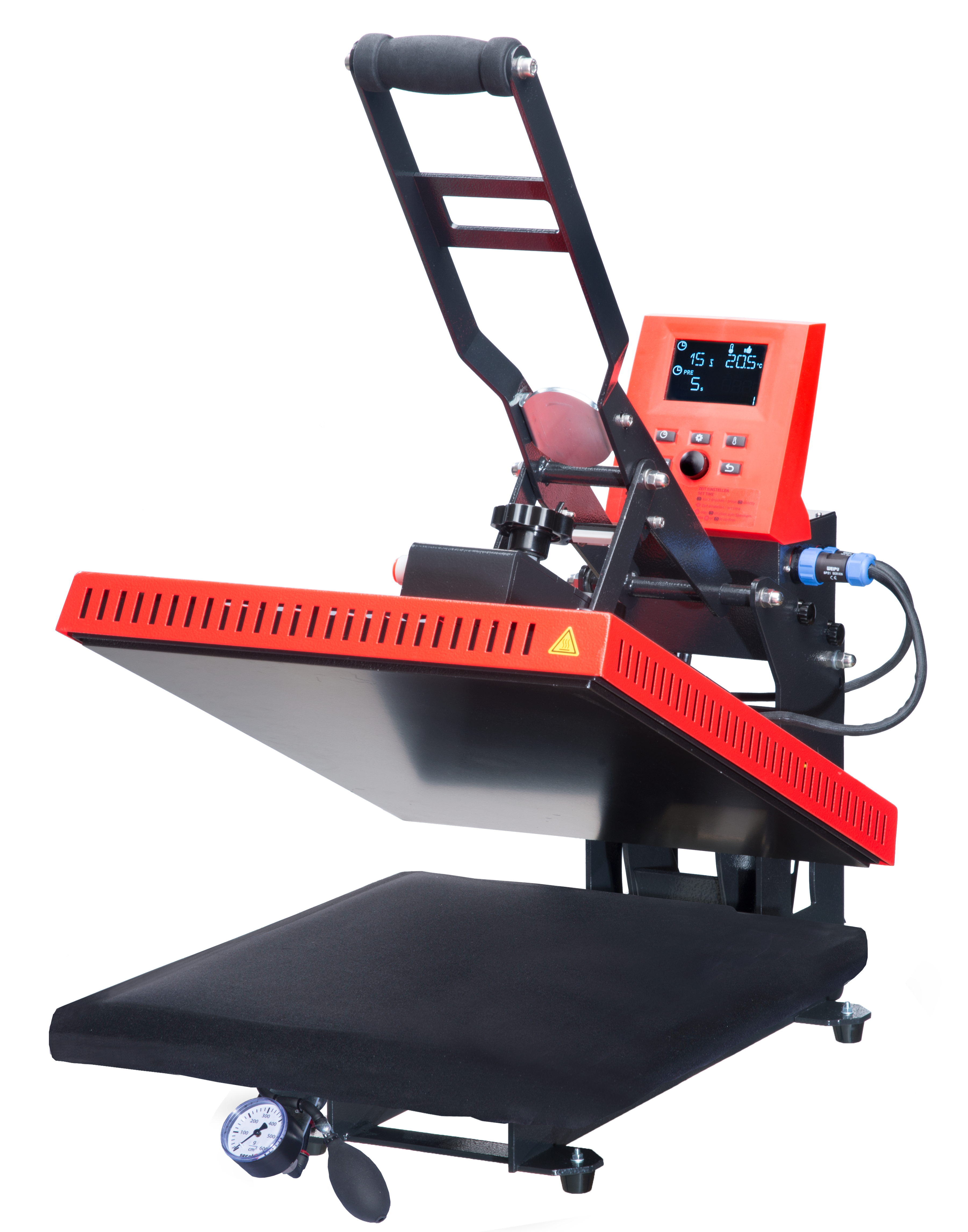
With the Secabo TC7 SMART MEMBRAN, you can heat-press large-format designs up to 40 x 50 cm, even over buttons, zips and seams, for example …
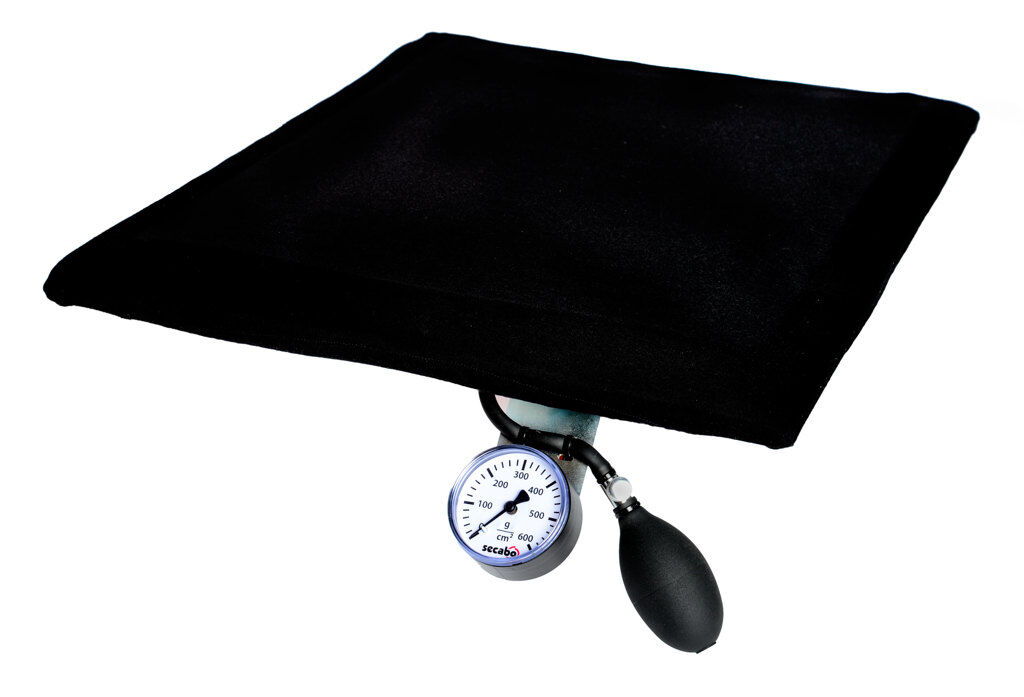
The membrane base plates from Secabo open up many new possibilities for using your Secabo Heat Press - especially for transfer objects with …
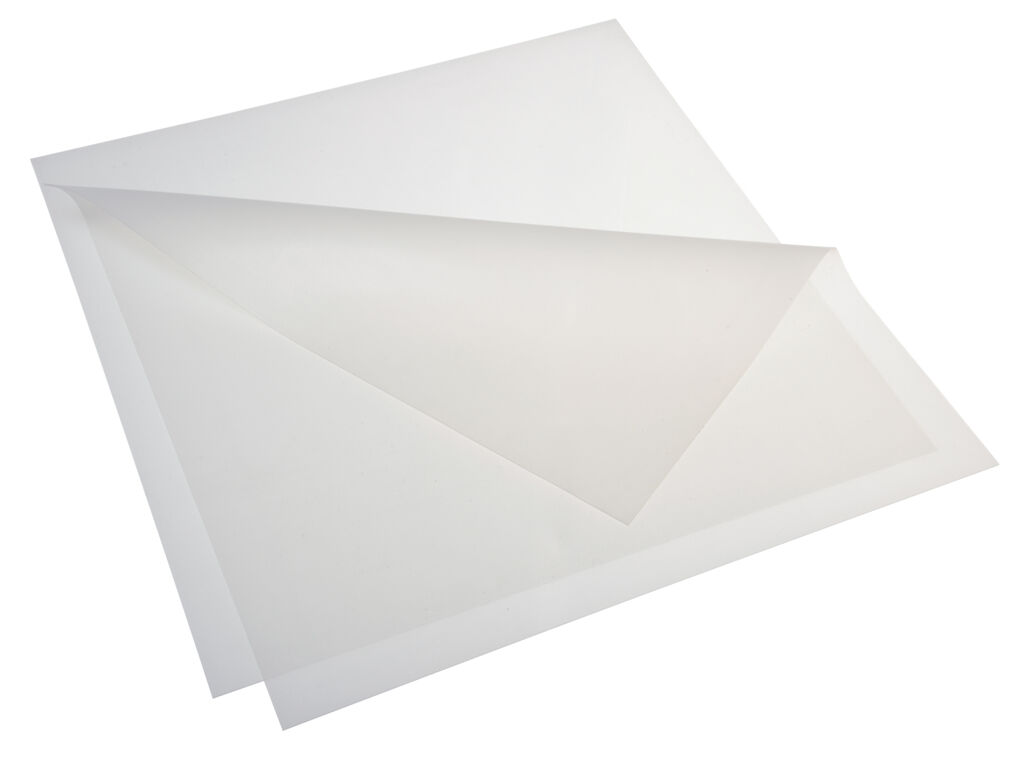
Heat-resistant silicone mat for levelling out uneven areas (e.g. on tiles) or for protecting sensitive materials when using a Heat Press, …
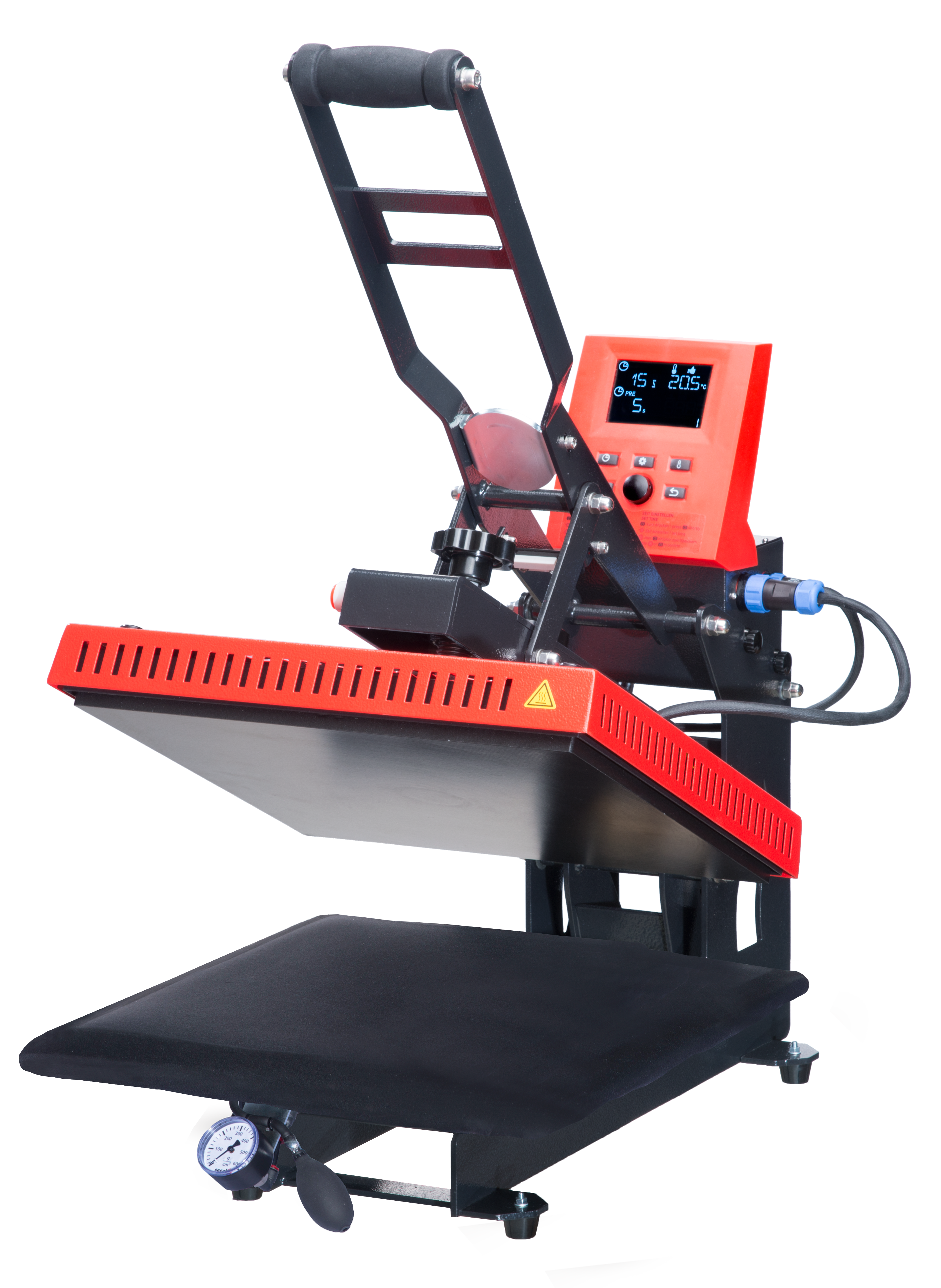
With the Secabo TC5 SMART MEMBRAN, you can press transfers onto 38 x 38 cm items even in places where standard presses reach their limits: …
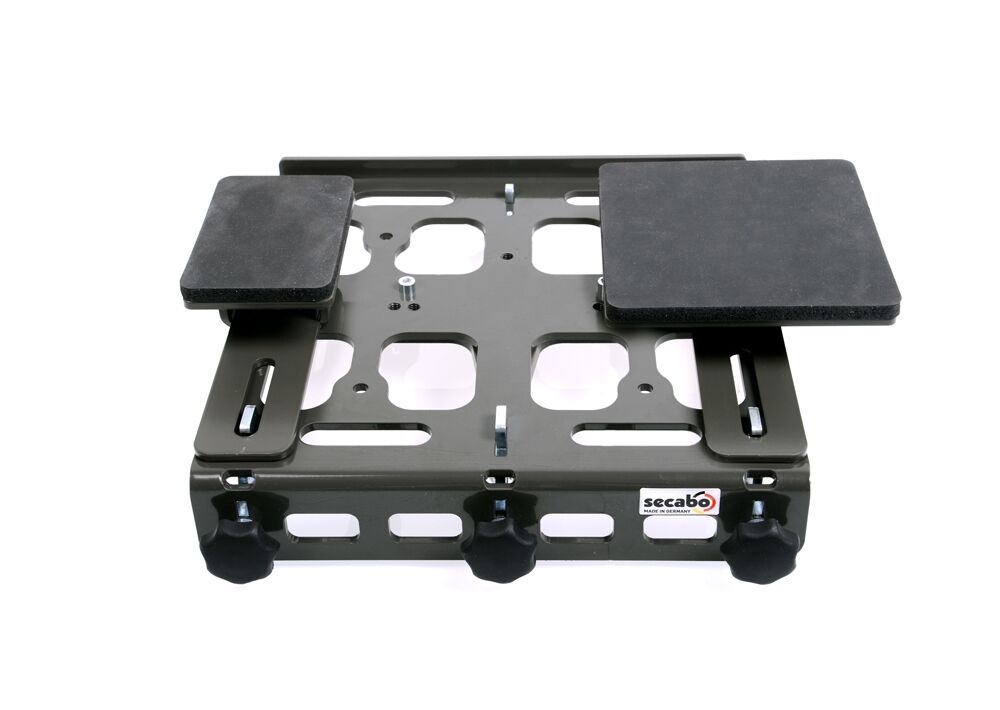
With the Secabo quick-change system, up to three exchangeable plates can be mounted next to each other - depending on the Heat Press model …